Dr Mathew Thomas PhD

Author name: Dr Mathew Thomas

Dr. Mathew Thomas is a psychoanalytically oriented psychotherapist and a Singapore-accredited psychologist. He is a former fellow of Vancouver General Hospital and the Blanton-Peale Clinic in New York. A trauma-focused practitioner and couple therapist, he specializes in providing deep, integrative care for individuals and relationships.

Walking on the Treadmill in Compression Stockings: A Story About Healing and Therapy

Walking on the Treadmill in Compression Stockings: A Story About Healing and Therapy I’ve been walking on the treadmill, and you might notice something unusual, compression stockings. It may spark a question: Why is he wearing those? The answer isn’t just about health. It’s a story of ignoring early warnings, facing a wake-up call, and discovering how physical healing can mirror the journey of emotional healing through therapy. Ignoring Early Warnings When I was 30, a neurologist friend advised me to take regular breaks during long hours of work. I heard him, but I didn’t follow through. Fast forward to the pandemic, Covid changed everything. I was working remotely with hundreds of clients online. My schedule was full, my practice was thriving, and I became a sought-after therapist. But there was a hidden cost. I gave up self-care. I was confined to my apartment with no proper exercise. Day by day, I neglected my body while pouring everything into others. The Collapse One day, I suddenly had trouble walking. I almost collapsed. My blood pressure shot up, and I was rushed to the hospital. The cardiologist ran an X-ray and CT scan. Everything looked normal. But when I mentioned my family history of varicose veins, further tests revealed the truth: I had developed varicose veins myself. I realized I had stopped exercising for almost a year, gained weight, and now I could barely walk for a month. A Wake-Up Call That moment forced me to pause. It was my wake-up call. I reorganized my life: 45 minutes daily at the gym or walking A disciplined, balanced diet Safeguards to protect my health moving forward Slowly, I returned to normalcy. The body remembered how to heal—once I gave it the chance. How This Relates to Therapy This experience is a perfect parallel to what happens in therapy. Many of us live in the remnants of trauma. Childhood pain acts out in unseen ways, quietly shaping how we think, feel, and respond. You may project abandonment into your relationships. You may self-sabotage without realizing why. You may carry repressed memories that silently weigh you down. Then, when life shakes you—a layoff, a breakup, a business failure, or betrayal—you suddenly feel the full impact of your past. Just as I inherited varicose veins from my mother, many of us inherit generational trauma. It lives in our emotional system. It even leaves an imprint on the brain. Why Therapy Is the Remedy When it comes to trauma, willpower alone isn’t enough. Ignoring it only delays the pain, just as I ignored my neurologist’s advice years ago. Therapy is the remedy. It gives you tools, structure, and support to face what feels unbearable. Here’s what therapy does: Breaks down resistance and stigma. Therapy provides a safe, non-judgmental space to open up. Heals the invisible wounds. Trauma is not just in your mind,it’s in your body, your nervous system, your patterns. Equips you with safeguards. Just as I built daily habits to protect my health, therapy gives you psychological safeguards to prevent relapse into old patterns. Transforms your life. With time, therapy doesn’t just help you cope, it helps you grow. The Cost of Avoiding Therapy Just like untreated health issues, trauma doesn’t vanish by itself. Left unaddressed, it shows up in: Chronic stress and burnout Relationship struggles Physical health problems (like insomnia, high blood pressure, or chronic pain) Emotional reactivity, anger, or shutdowns A lingering sense of emptiness or disconnection Avoiding therapy is like ignoring medical advice—you may not notice the damage right away, but eventually it will catch up. Walking Into Healing Compression stockings and treadmills became a reminder for me: health requires discipline, not denial. The same is true for emotional well-being. Your past may not be your fault. Trauma may not have been your choice. But healing is your responsibility. Therapy is not about weakness—it’s about courage. It’s about choosing to heal rather than carry the invisible wounds another generation longer. Final Thoughts Just as I returned to walking with daily effort, you can return to emotional freedom with therapy. It heals. It safeguards. It transforms. If you’ve been putting off therapy because of fear, stigma, or resistance, this is your wake-up call. Ready to walk your own healing journey? Start therapy today.

Walking on the Treadmill in Compression Stockings: A Story About Healing and Therapy Read More »

The Ultimate Red Flag: Finding Love in Rehab and Destroying the Relationship Waiting at Home

The Ultimate Red Flag: Finding Love in Rehab and Destroying the Relationship Waiting at Home A few years ago, I worked with a client who had just completed a 180-day addiction treatment program. Full of hope, he was ready to start his new life. But on his way out, he fell for a fellow patient who had just begun her own journey. I warned her not to leave and urged him not to meet up with her until she became steady and committed to recovery and continuing care. I watched his reaction; he was annoyed with me for the last moment, and he refused to say goodbye to me. He literally avoided me while leaving the facility. He was not my individual client, but he had sought my interventions for specific situations. They left treatment together. Within 24 hours, they had relapsed together. He spent $70k in a five-star luxury rehab in South Africa, where I worked. He was back at the rehab after 3 days of discharge. He was married, and his wife hoped that he might recover and remain sober. She came back one last time and met me one-on-one. I asked her what the purpose of her visit was. She was blunt, “I came to officially inform him that I have finally decided to divorce him and move on as I realized that I’ve been codependent in our relationship.” I was shocked to learn that he left his 6-year-old daughter with the hotel staff while enjoying a rave party with his fellow addict, whom he took away from the treatment program. The child felt abandoned and terrorized. That was the last nail in the coffin for his wife and his fellow addict, hospitalized under overdose. While every situation is different, one truth remains clear: it takes two responsible people, both committed to doing the work to heal their trauma. Otherwise, what seems like love may actually be a deep-seated attachment wound pulling both partners back into a cycle of pain. I’ve worked with many clients who have experienced this. This is why I created my Continuing Care Program, designed to provide ongoing support beyond a treatment program. Have you been there? Have you seen someone struggling with relapse? You’re not alone. Recovery is a painful journey, but you can still heal. Are you ready to heal? Reach out today, and we can do it together.

The Ultimate Red Flag: Finding Love in Rehab and Destroying the Relationship Waiting at Home Read More »

Online Therapy for Anxiety, Depression, and Trauma in Calgary, AB

Online Therapy for Anxiety, Depression, and Trauma in Calgary, AB Online Therapy for Anxiety, Depression, and Trauma in Calgary, AB For many, the effects of childhood or relationship trauma don’t simply disappear. They can manifest as persistent anxiety, depression, anger, guilt, or challenges in forming healthy attachments. You may find yourself struggling to connect with loved ones or feel a sense of inner peace. While quick EAP sessions or brief therapy can offer temporary relief, true healing from trauma requires a deeper, more committed approach. As a licensed psychotherapist, I specialize in providing compassionate, trauma-informed care for individuals and families. My practice focuses on evidence-based modalities including: Cognitive Behavioral Therapy (CBT) for managing anxiety and depression Trauma-Focused Therapies for processing past events Specialized support for Post-Traumatic Stress Disorder (PTSD) With 21 years of experience, I provide a safe and non-judgmental space for you to do this important work. From the comfort and privacy of your Calgary home, we can begin to unpack the past and build a path toward a more resilient future. My central focus is healing from trauma. Trauma isn’t only about what happened to you, it’s the psychological wound that lives within you and often shows up in your relationships today. I currently focus on helping individuals and couples heal the lasting effects of childhood trauma, particularly when it manifests as mistrust, emotional disconnection, or recurring conflict in relationships. Ready to take the first step toward lasting change? From September 5 – November 30, I’m offering therapy on a pay-what-you-can basis. This is your chance to begin a journey toward lasting healing. Contact me to schedule a consultation and see if we’re a good fit. Book Your First Session

Online Therapy for Anxiety, Depression, and Trauma in Calgary, AB Read More »

Thorn in the Flesh: Forgiveness vs Reconciliation

Thorn in the Flesh: Forgiveness vs Reconciliation Healing the trauma once collected “Three times I pleaded with God to remove the thorn in my flesh. But God said, My grace is sufficient for you. ” ” ” My power is made perfect in weakness.” These ancient words echo deeply in me. For much of my life, my own “thorn in the flesh” has been my childhood story. When I was just six years old, my father took me away from my mother, erased her from my records, and began a new life. That wound shaped me. It left scars that influenced my relationships, my sense of belonging, and the way I saw the world. Over time, that pain became the ground where I learned the difference between forgiveness and reconciliation—two words often confused, but carrying very different meanings in healing. Forgiveness: An Inner Release For years, I carried anger. I fought for revenge, for property, for recognition. My pain demanded justice. But healing invited me into another journey—the path of forgiveness. Forgiveness, I’ve learned, is not about excusing harm or pretending it didn’t matter. It is not about denying the betrayal or minimizing the wound. Forgiveness is an inner release: the deliberate act of loosening resentment’s grip. It means naming the wound truthfully. It means refusing to let that wound define or control the rest of your life. It means choosing freedom over bitterness. Most importantly, forgiveness is rarely a single moment. It is a gradual process of reclaiming dignity, peace, and personal agency. That “thorn” in my life still aches at times, but paradoxically, it has also grounded me in humility. It has taught me that even in weakness, grace is possible. Reconciliation: A Different Path Recently, after years of estrangement, my father reached out in search of peace. That moment forced me to confront a vital truth: forgiveness and reconciliation are not the same. Reconciliation is about restoring relationships. But it requires: Honesty about the past. Accountability for harm done. Safety and trust on both sides. Without these elements, reconciliation is neither wise nor possible. Forgiveness does not obligate reconciliation. I can forgive and still set a boundary. I can release bitterness without reopening a door that would only bring further harm. The Transforming Thorn The thorn doesn’t disappear. It may always ache. But it can transform. What once bled me now keeps me grounded. What once felt like punishment has become an unexpected teacher. Perhaps the deepest act of grace is this: To forgive within your heart while still honoring your boundaries. To find peace without returning to pain. Forgiveness frees the soul. Reconciliation, when safe, restores relationships. But one does not demand the other. Key Takeaways Forgiveness is an inner process of release. Reconciliation requires honesty, accountability, and safety. You can forgive without reconciling. Pain may remain, but it can transform into wisdom and humility. Final Reflection If you carry a thorn of your own—a wound that refuses to vanish—remember this: it doesn’t have to define you. Forgiveness can transform pain into purpose. And you have the right to choose reconciliation only when it is safe and mutual. Your story matters. Your healing matters. And your boundaries are valid. If this reflection resonated with you, share it with someone who may be struggling with forgiveness and reconciliation. And if you’re on your own healing journey, know you are not alone—support is possible, and grace is closer than you think.

Thorn in the Flesh: Forgiveness vs Reconciliation Read More »

Healing the Journey That Truly Matters

Is Closure Real? Or Is Healing the Journey That Truly Matters?

By Dr. Mathew Thomas, PhD | Family Therapist | August 2025 Is Closure Real? Or Is Healing the Journey That Truly Matters? When a relationship ends, many of us go searching for one thing: closure. We crave a sense of completion, of tying up loose ends, of walking away unburdened. But is closure even real? Or is it an emotional mirage—one we chase because we’re uncomfortable with the lingering pain? As a psychologist specializing in family therapy and emotional trauma, I’ve spent over two decades helping individuals and couples navigate profound ruptures in their relationships. I’ve seen some reconcile, rebuild, and recommit. Others choose the courageous path of letting go, not out of resentment, but out of growth. What I’ve learned is this: closure is rarely what we think it is. And healing is rarely linear. But with intention, therapy, and self-honesty, healing is absolutely possible. What Is Closure Really About? We like to imagine closure as a single, defining moment. A conversation. A clean break. A “finally, I’m over it” sigh of relief. But in reality, closure is often a slow, messy unraveling. It’s the deep work of understanding our emotional patterns, sitting with grief, and reimagining a life that no longer revolves around a shared identity. Closure isn’t about forgetting. It’s about integrating the experience so that it no longer defines you. This is especially important in family therapy, where the ripples of separation or loss affect more than just the couple—they affect children, extended families, even generational narratives. So, if you’re someone navigating divorce, separation, or the end of a significant relationship, let’s walk through this journey together. 5 Foundations of Healing After a Relationship Ends These principles are drawn from my work in family and couple therapy, as well as hundreds of individual sessions with clients in crisis. 1. Acknowledge the Ending Honestly Breakups aren’t just emotional—they’re existential. You lose routines. Holidays change. Roles shift. If you’ve been married or cohabitating, the unraveling is physical too—boxes packed, furniture moved, legal paperwork signed. But perhaps the most important question is this: How did you spend your emotional time together—not just the physical years? This question is critical in therapy. Many avoid it out of guilt or fear. But avoidance breeds emotional residue. Acknowledgment begins the cleansing process. 2. Unpack Emotional Baggage with Intention You can outsource moving logistics—but not your healing. Every unresolved resentment, unmet need, or betrayal becomes internal clutter. Therapy gives you the tools to sort through that clutter. It teaches you to: Sit with grief without judgment Name your pain Stop retraumatizing yourself with “what ifs.” In family therapy, we often help both individuals and their loved ones understand how pain is processed differently. A child might show signs of detachment; a partner might cope through workaholism. Healing begins with recognition, not reaction. 3. Don’t Rush Into a New Relationship There’s an emotional gap after a breakup that many try to fill with companionship. But comfort isn’t the same as healing. Ask yourself: Am I lonely, or am I afraid to be with myself? Am I looking for love or relief? This distinction is critical, especially if children are involved. They don’t just absorb your new reality; they absorb how you process it. One client shared, “I saw my dad jump into relationships. I learned to suppress feelings and chase affection instead.” This is where family therapy becomes a valuable mirror, helping all members understand the emotional legacy we pass down. 4. Learn to Sit with Your Lonely Self Blaming and replaying arguments is a natural but exhausting process. To truly move forward, you need to make space for self-inquiry: What emotions sit underneath my anger? This is where healing becomes transformation. In therapy, we talk about the importance of honoring emotions instead of avoiding them. Whether it’s through journaling, mindfulness, art, or EMDR, the goal is integration, not erasure. You might not get all the answers you crave from your ex-partner. But you can find clarity within yourself. 5. Let Therapy Be Your Anchor In the chaos of change, therapy can provide clarity, direction, and emotional regulation. Whether you’re working individually, as a couple, or with your children, a good therapist helps you: Validate complex emotions Realign with your values Rebuild your sense of self Family therapy also helps repair communication between estranged or wounded members, which can reduce the long-term impact of separation. I’ve seen clients rediscover purpose, express grief they’ve held on to for decades, and find peace not because the past changed—but because they changed their relationship with it. A Therapeutic Journaling Practice for Moving On Journaling is one of the most accessible forms of self-therapy. Here’s a three-step writing exercise I recommend: A) Author Your Past Write about your life before and during the relationship. Don’t hold back. Describe scenes, moments, and memories. Let yourself feel. Then pause. Reflect. You’ll start noticing patterns you couldn’t see before. B) Author Your Present Check in with your body and your emotions. What hurts today? What brings you peace? What fears are showing up? Your emotional landscape is full of clues. Learning to read them helps you grow. C) Author Your Future Visualize your life beyond the ending. Not just where you’ll live or what job you’ll have—but how you’ll feel. Write about the peace, joy, and love you want to cultivate. This helps shift your brain from rumination to re-imagination. Frequently Asked Questions About Closure & Healing 1. Do I need closure to move on? Not necessarily. Closure is often more about internal acceptance than external validation. What you need is understanding and self-compassion. 2. How long does healing take? Healing isn’t linear. Some find clarity in months, others take years. What matters is progress, not speed. 3. Can family therapy help even if the relationship has ended? Absolutely. Therapy can help individuals and families process separation, improve co-parenting, and create healthier future dynamics. 4. Should I stay friends with my ex? There’s no universal answer. It depends on emotional

Is Closure Real? Or Is Healing the Journey That Truly Matters? Read More »

Feeling better

When healing feels out of reach, it’s often because we’re clinging to the belief that we’re unworthy of feeling better.

When healing feels out of reach, it’s often because we’re clinging to the belief that we’re unworthy of feeling better. Healing Isn’t About Fixing Pain — It’s About Reclaiming Your Worth I used to believe that healing was about “fixing” my pain. I thought if I just worked hard enough, I could erase the wounds from my past. But I’ve learned something powerful over the years: true healing isn’t about fixing what’s broken—it’s about changing the story we tell ourselves about that pain. Let me share a personal story to illustrate this. For the first six years of my life, I felt safe, loved, and protected. My dad, an entrepreneur in the 70s, was my hero. I looked up to him — until everything changed overnight when my parents split up. In an instant, my world turned upside down. I was too young to understand what was happening, but I felt it deep in my bones. I felt a rupture that left a scar I carried with me silently. As I grew older, I began to feel invisible. Watching classmates walk in with both parents, holding hands, made me feel left out, unimportant, like I didn’t matter. That’s when the seed of inferiority took root. I didn’t have the words then, but I felt the whisper: “You’re not enough.” In adolescence, I started comparing myself to others constantly—feeling like I came up short in every way. I overcompensated with perfectionism, avoided social situations, and battled negative self-talk that eroded my confidence. It was a silent battle, but one that shapes many of us. The turning point came during a classroom reflection. I broke down crying—something I had never allowed myself to do before. That moment became the beginning of my healing journey. Through years of therapy, I learned that inferiority isn’t a life sentence. It’s a story we tell ourselves—and stories, just like pain, can be rewritten. Here’s what I’ve discovered along the way: Signs of an Inferiority Complex: – Constant self-doubt – Comparing yourself to others and feeling inferior – Perfectionism or overachievement as a way to compensate – Avoiding social situations or withdrawing – Negative self-talk that undermines confidence Root causes often include: – Childhood criticism and emotional neglect – Family trauma or separation – Unrealistic expectations placed by society or family – Feelings of being unseen or unworthy One of my favorite psychologists, Alfred Adler, named this feeling the “inferiority complex.” But Adler also taught something hopeful: These feelings are universal—and they’re also changeable. With patience, support, and awareness, you can rewire your inner story. I’ve seen it in my clients—people who felt “less than” and believed their pain defined them. Healing begins the moment you realize that your story isn’t fixed. It’s malleable. And you have the power to rewrite it. If you’ve ever experienced that voice saying, “You’re not enough,” know this: You’re not alone. And you’re not broken. You’re human. What’s more important is recognizing that the story of inadequacy is just that—a story. And stories can change. Healing isn’t about becoming perfect. It’s about coming home to yourself. When you dare to look within and challenge those old beliefs, you start to reclaim your worth. And the best part? It’s never too late. You can start today. Because resilience and growth are available to everyone willing to take the first step. If this resonates with you, I invite you to share your story below. Let’s create a community that believes healing is possible for everyone—no matter where you’ve been or what you’ve experienced. Remember: You are worthy of growth, resilience, and love. Healing begins the moment you decide you’re worth it. Are you ready to rewrite your story? I believe you are. Dr Mathew Thomas

When healing feels out of reach, it’s often because we’re clinging to the belief that we’re unworthy of feeling better. Read More »

Hope, Healing, and Habits

Working With Men With Undiagnosed ADHD: Hope, Healing, and Habits

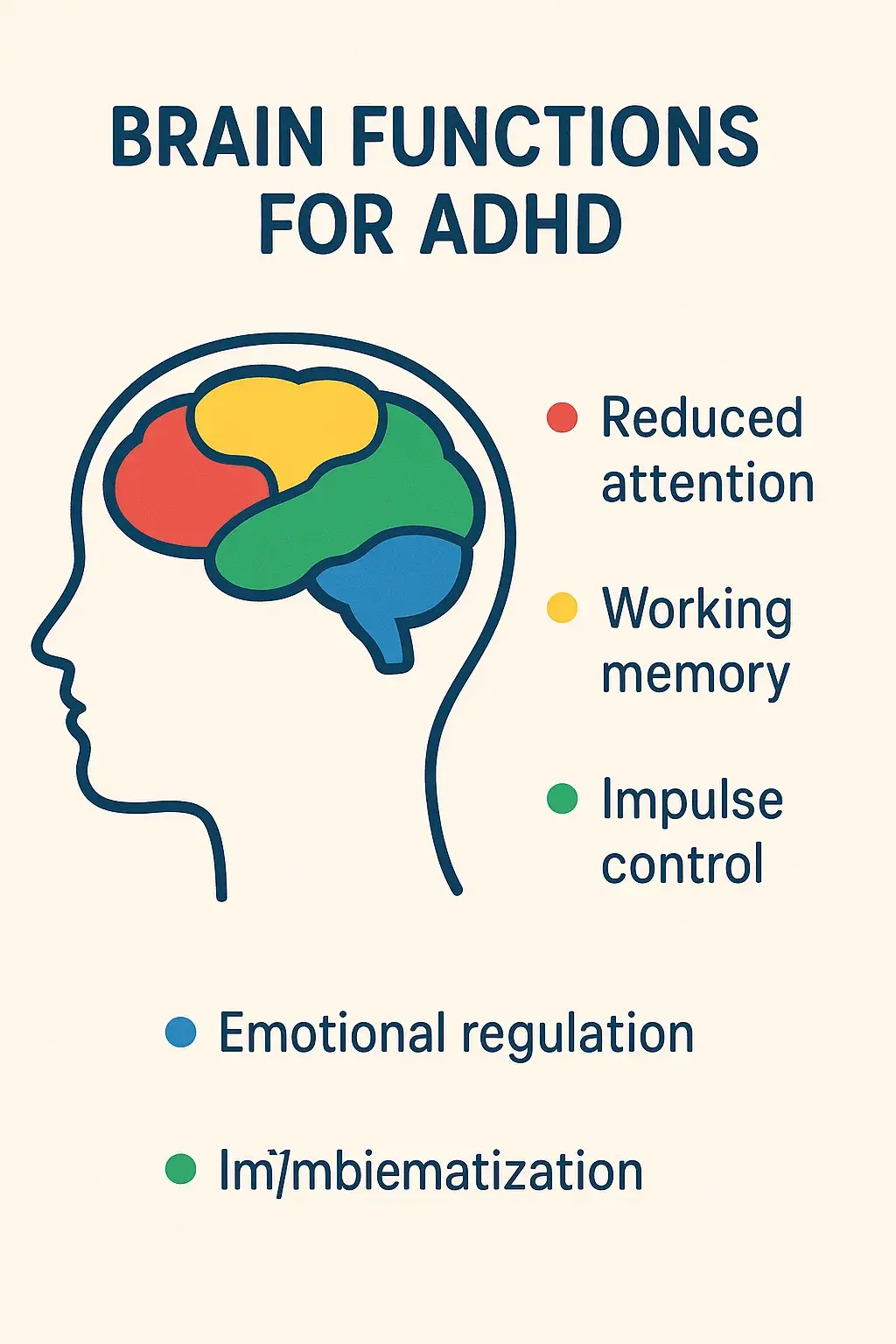
Working With Men With Undiagnosed ADHD: Hope, Healing, and Habits Many boys with ADHD grow up without ever being diagnosed — often told they’re “lazy,” “distracted,” or “defiant.” By the time they reach adulthood, those labels have often hardened into shame, frustration, and a sense of failure. Over the years, I’ve worked with several men in this situation — many of whom also struggled with gaming and pornography addiction, emotional regulation issues, and low self-esteem. And what I’ve learned through this work is simple yet profound: Hope and healing are possible. Stepping Into the Circle of Care For many men, the hardest step is the first one: acknowledging they need help and allowing themselves to enter a circle of care. Once that happens, change can begin. What has made the difference for my clients? Their commitment to sustaining behavioral interventions. Their growing trust in the process over time. My ability to meet them where they are — sometimes as a nurturing teacher, sometimes as a firm guide, and often as a spiritual companion who holds space for their struggles and growth. Together, we created a clinical partnership — observing, researching, applying, and refining strategies that truly work for them. Here’s the evidence-based framework we discovered and applied together. ADHD: More Than Just Attention ADHD isn’t just about attention. It affects sleep, mood, energy, focus — the entire system. The good news? You don’t need a magic pill. Small, consistent steps at home can make a huge difference. Below are some of the key areas we focus on in therapy and coaching — practical, evidence-based habits that create lasting change. Build Strong Daily Habits Set a routine: Wake, eat, exercise, and sleep at the same times every day. Use timers and alarms: Think of them as your brain’s personal assistants. Write things down: Planners, sticky notes, apps — our brains love checking things off. Declutter your space: A tidy space equals a calmer mind. Sleep: The Silent Superpower Wind down early. Turn off screens at least an hour before bed. Keep your bedroom cool, dark, and quiet. Stick to a consistent sleep schedule, even on weekends. Move Your Body Exercise daily: Walk, dance, swim, even bounce on a trampoline if you can. Break up long work or study sessions with movement every 30–45 minutes. Feed Your Brain Eat balanced meals: Protein, healthy fats, complex carbs. Talk to your doctor about iron and omega-3s — they’re real brain food. Stay hydrated — water is your brain’s best friend. Manage Screens Mindfully Limit late-night screen time. Take regular breaks — every 20–30 minutes — to rest your eyes and reset your focus. Calm Your Mind Practice 5 minutes of deep breathing or mindfulness each day to reset your focus. Journal your thoughts and emotions — a mental spring cleaning for your mind. And… Therapy Helps Behavioral strategies like reward charts and habit stacking can be game-changers. Neurofeedback can also help when recommended by your therapist. Most importantly, work with someone who understands your unique brain — a therapist or coach who can tailor strategies to your needs. Tiny Steps Create Big Changes Healing from undiagnosed ADHD is a journey — but it starts with one small, intentional step. Your brain deserves care, and your best self is just a habit away. Take control. Choose one small habit to start today — and watch how it grows into lasting change. What about you? What small habit will you begin with? I’d love to hear — feel free to share your thoughts or reach out if you’d like to explore these strategies together. References

Working With Men With Undiagnosed ADHD: Hope, Healing, and Habits Read More »

Feeling unseen

Feeling unseen in your busy life?

Feeling unseen in your busy life? I’ve spent years creating spaces that heal. Now, I’m building one where anyone, anywhere can find clarity. A busy professional, mid40s, juggling a demanding career and a shifting personal life. They’ve achieved so much outwardly but feel a quiet ache inside. A sense that something’s missing. They’re searching for a way to reconnect with themselves, to find clarity amid chaos. Now, imagine if that person could access healing from anywhere — no travel, no waiting rooms, just a few clicks away. That’s the promise of a virtual healing studio. But here’s the story behind it. I’ve spent years working in luxury rehabs, trauma centers, and community clinics. I’ve seen firsthand how transformation happens when someone feels truly seen and validated. Many of my clients tell me they leave sessions feeling touched, heard, and understood. That feeling of genuine connection is what I want to recreate online. Starting a virtual studio isn’t just about technology; it’s about understanding that healing is deeply personal. It’s about creating a space where clients can feel safe to explore their vulnerabilities, challenge their beliefs, and step into a new version of themselves. As I prepare to launch this initiative, I picture a future where barriers dissolve. Where someone in Singapore, Europe, or anywhere else can access support that truly resonates with their journey. This isn’t just a new chapter for me — it’s a new chapter for anyone who believes that healing is a universal right, not a privilege. Together, we can redefine what’s possible for personal transformation in a digital age. Because when we meet clients where they are — emotionally, physically, and spiritually — real change becomes inevitable.

Feeling unseen in your busy life? Read More »

Tenants of Psychological Reality: Navigating Human Unconscious

Thomas RP, PhD Tenants of Psychological Reality: Navigating Human Unconscious Abstract: Unconscious communication is the subtle, unintentional, unconscious cues that provide information to the unsettling and deeply buried layers in the human mind. While the focus of the present article is based on the comparison between Freudian and Jungian studies, It’s important to note that the systematic inquiry into the working of the unconscious was spearheaded by French Neurologist Jean-Martin Charcot. The unconscious can speak in multiple ways, it can be verbal (speech patterns) , physical activity while speaking, or the tone of an individual, or can be nonverbal such as body language and facial expressions. Many decisions are based on unconscious communication, which is interpreted and created in the right hemisphere of the brain. The right hemisphere is dominant in perceiving and expressing body language, facial expressions, verbal cues, and other indications that have to do with emotion but does not exclusively deal with the unconscious. The subject matter of the unconscious has evolved dynamically over the past few centuries and the concept of mental health disorders and its relation to the unconscious. In light of the development of the study of the unconscious, it’s worthwhile to look at some critical features and contributions of Freud and Jung. Keywords: Collective Unconscious, Personal Unconscious, Repressed Memories, Archetypes, Psychic Energy, Psychopathology Approaching the Unconscious Human personality is a complex one. In our day-to-day life we are not fully aware to what extent and how human organs are involved in our functional capacities. For example: To what extent are we aware that every minute of life, the human heart silently pumps five liters of blood to the vascular system to nourish and keep every single human cell alive? In the same way, we need to understand human mind is fully operational at all times unconsciously and consciously. In our understanding of the human psyche, the unconscious remains to be a mystery for humankind because it unfolds deep reservoirs in front of us. It’s important for us to understand that long before Sigmund Freud or even William James the idea of unconscious was a subject matter throughout history. Therefore, it is worthwhile to underline remarkable influence of opposing views of Sigmund Freud and Carl Jung even as we wrestle to comprehend the ‘concept of evolving human psyche’. For Freud, it was a sum total of repressed memories and for the analytical and spiritual mind of Carl Jung (analytical psychologist) the individual unconscious is open to the collective unconscious of the archetypes, which according to the nature of his work is the collection of symbols and images. It functions as a link between the personal unconscious and the collective unconscious. “For Freud his first concept of the unconscious as being the total of repressed memories and tendencies” (Ellenberge, 1970: 146). As the unconscious represents different levels and rich layers of human personality, we can be curious to grasp its operation. It contains emotions and memories that connect the personality of the person with the past life. Our journey through fantasies and dreams can unfold many revelations that make the link between the present and the future. As Freud termed dreaming “the royal road to the unconscious”. According to Freud unfulfilled wishes and urges are in the unconscious. Our realm of consciousness has many gaps that prevent us from recalling our experiences from our past lives. We don’t know where some of our personal ideas and assumptions come from and consciousness does not provide us any proof, this I believe should broaden our horizons to explore the unconscious. Jung coined his understanding of the unconscious in three ways and they are personal unconscious, collective unconscious, and consciousness. Jung‘s unconscious evolved unlikely to Freudian’s concept as it connects through the archetypal images, symbols, and dreams in communion with humanity. However, we need to acknowledge Freud’s revolutionary contribution in developing the arena of the unconscious and bringing it forth to the systematic study of the subject. During the 19th century, the dominant trend in Western thought was positivism, i.e.; positive affirmation can come from authentic scientific knowledge and such a period of revolution subscribed to Freudian thinking. Crucial to the operation of the unconscious is ‘repression’. According to Freud, we often experience thoughts and feelings that are so painful that we cannot bear them and associated memories, Freud argued, are banished from the conscious mind, the number of gaps in the conscious mind paves for the unconscious to gain an edge over human memories. An example I can think of here is transference experience in therapy, (memory of the past reflecting in the therapy room in a light-hearted manner) something shared intentionally in therapy either by a client (patient) or by the therapist becomes a healing agent. Jung developed the unconscious in such a way to understand that unlocking the unconscious can offer deep reservoirs for our personal growth and development. Unconscious is Dynamic This is a process of interplay of the driving forces in the unconscious. It explores mental phenomena as the result of the interaction and counteraction of forces. A dynamic system examines the phenomena in terms of processes of development of progression or regression. These are both urging forces and checking forces, there is reciprocity between urging forces and checking forces. For example: A person’s id urges him to pay injustice with injustice, like the memory of the murder of his father that happened when he was a child. Now he is of age and he wants revenge, but his superego comes into play strongly to remind him of his need to transform his life and subsequently of the legal consequences. What is the role of Christian spirituality in this effort of transformation? How can the therapist / pastoral caregiver utilize psychological resources and his faith tradition for effective intervention? How can he be present in suffering? “External frustration is a state of privation or deprivation, while internal frustration is a state of inner inhibition” (Hall, 1976: 9). The nucleus of the unconscious

Tenants of Psychological Reality: Navigating Human Unconscious Read More »

Holistic therapy Project

Holistic therapy Project INTRODUCTION Holistic psychotherapy is an individualized, integrative approach to therapy that combines ideas and techniques from different therapeutic schools of thought depending on the unique needs of a given client. As such, it is sometimes seen more as a movement within the practice of psychotherapy than a form of therapy in and of itself. In practice, by merging elements of different psychological theories or modifying standard treatments, integrative therapists can often offer a more flexible and inclusive approach to treatment than those who practice singular forms of psychotherapy.Holistic psychotherapy and integrative therapy and interchangeably used because it aspires to consider an individual’s mental, physical, and emotional health in a unified way. Ideally, therapist and client will work together to understand the sources of the latter’s anxiety, unhappiness, physical discomfort, or unhealthy behavior patterns.People who seek to have a voice in the direction of their therapy, and who view the therapeutic relationship as a partnership, may be especially receptive to an integrative approach Summary of the Project IDEA OF ILLNESS The idea of illness and cure was associated with various cultural and religious meanings. The religious leaders and clergymen assumed crucial roles in alleviating illness and pronouncing cure. There were myths and beliefs about the nature of illness and in many ways it added to the development of illness and the cure of it. There was a basic understanding that unequal distribution of energy could be the cause for the illness. It’s interesting to note how persons like Mesmer viewed etiology of illness. It could be that there is a connection between what happens in our mind-body systems and cosmos. Health and wellbeing depends upon man’s inherent relationship to the environment and if there is imbalance in that connection and lack of effort to repair the imbalance can possibly lead to breakdown FORMULATION OF HOLISTIC PSYCHOTHERAPY When It’s Used Holistic  psychotherapy approaches can be incorporated into almost any type of long-term or short-term therapeutic work with children, adolescents, and adults, whether one-on-one, with couples, with families, or in group settings. An integrative approach can be used to treat a range of psychological concerns, including depression, anxiety, personality disorders, grief, low self-esteem, self-harm, trauma and PTSD, relationship issues, sleep concerns, sexual challenges, substance use disorders, and eating disorders What to Expect An integrative therapist aims to match evidence-based treatments with each client’s particular concern or concerns, and so the first step is to discover and understand the individual’s personality traits, preferences,needs, spiritual beliefs, openness, and motivation level. These factors, along with the client’s health and age, will help the therapist use their professional judgment to decide on a treatment approach with the highest likelihood of success.A strong therapeutic alliance is core to the success of integrative or holistic therapy. It flows from the formation of the trusting relationship. Holistic therapy sessions tend to be more inclusive of the client than those of many traditional forms of talk therapy, in which the client may play a less active role in deciding the form or course of treatment. Once therapy is underway, different approaches may be used at different stages, or a single, integrated form of therapy may be used throughout How It Works There are more than 400 types of psychotherapy, differentiated by their approach, the clients they best serve, and how long and how often the therapist and client will meet. Research shows that even as these approaches vary, many or all can result in similar, and similarly successful, outcomes. But because a single approach to therapy does not always deliver the best benefit to the client, therapists who may have been trained in one particular model will often use tools, language, techniques, or exercises borrowed from other therapies to come up with a distinct, and hopefully effective, form of treatment suitable for a particular client. A Holistic psychotherapy practitioner will regularly evaluate a client’s progress with whatever modality is currently being tried, and be ready to pivot to a different approach when it becomes clear that they are not benefiting, or no longer benefiting, from it. Typically, though, such shifts are discussed by client and provider before being put into action.Therapist may introduce strategies and techniques from cognitive-behavioral therapy, dialectical behavior therapy, EMDR, motivational interviewing, mindfulness, art or music therapy, psychodynamic therapy, humanistic therapy, psychodrama, meditation, breathwork, yoga, family systems therapy, gestalt therapy, or trauma-informed therapy. How they go about it is likely to differ from practice to practice: A provider may initially follow one primary approach but introduce elements of other techniques as the therapeutic relationship progresses or when predetermined targets or goals have been met. For example, on realizing that a client struggles with social anxiety, a therapist who takes a humanistic approach to a client’s long-term goals and concerns may share techniques from CBT that specifically target the individual’s situational anxiety. SPIRITUAL CARE AND PSYCHOANALYSIS There are fundamental differences and similarities between spiritual and psychoanalytical work. At the outset, it should be noted that spiritual care is based on the confession of faith and psychoanalysis is based on the medical model. Traditionally, spiritual care-givers are expected to play a direct role in solving the problems of the people based on the faith tradition of their congregation and in line with the dogmatic approach of the biblical concepts, whereas in psychotherapy, the patient along with the therapist through therapy engages in searching the meaning of any lived past and current experience in joint venture. Personal experiences thought process and emotional experiences of the patients/ clients accorded significance by all means in the context of caregiver’s relationship with the other. Jungian analyst involves with the tradition and any form of faith and images which patient brings into therapy. Both Psychoanalysis and spiritual care aims to facilitate healing process. The challenge is to learn to develop resources and culturally relevant approaches to bring about the relationship.Carl Jung is recognized as one of the most influential psychiatrists of all time. He founded analytical psychology and was among the first experts in his field to explore the religious nature behind human psychology. He argued that empirical evidence was not the only way to arrive at psychological or scientific

Holistic therapy Project Read More »

Scroll to Top